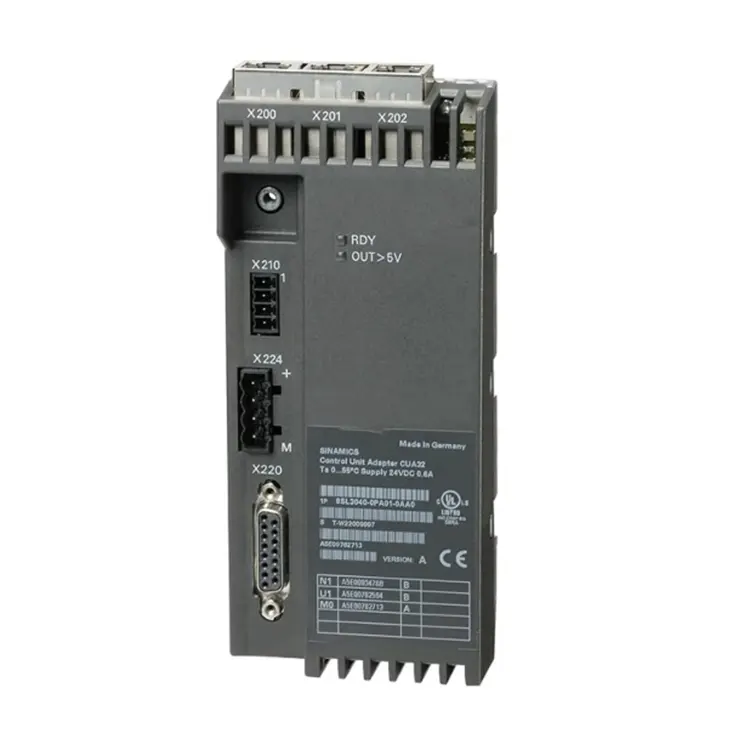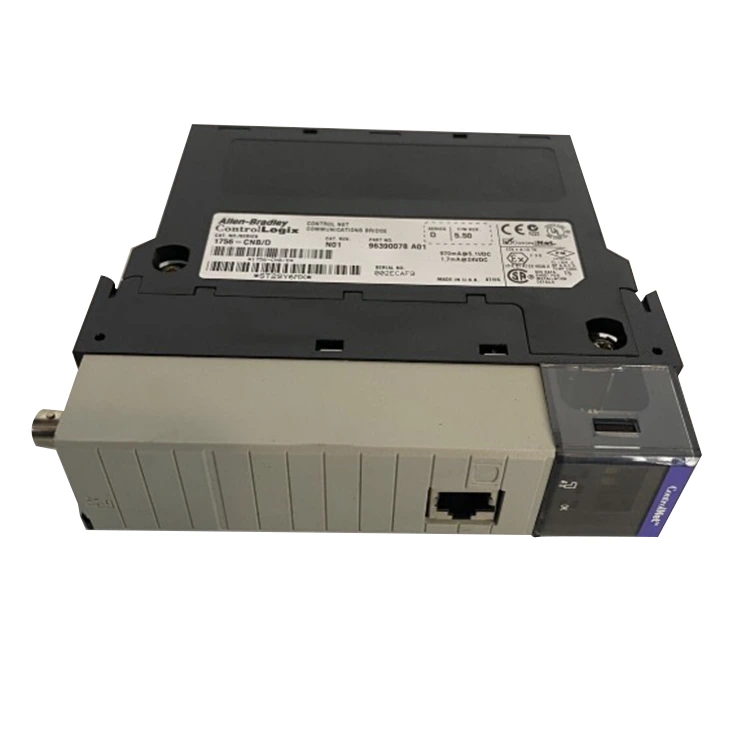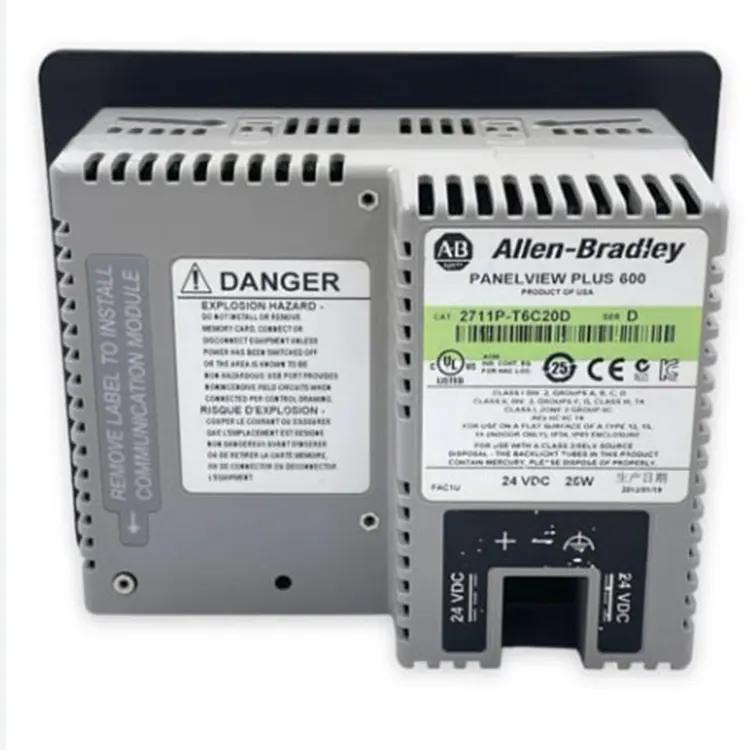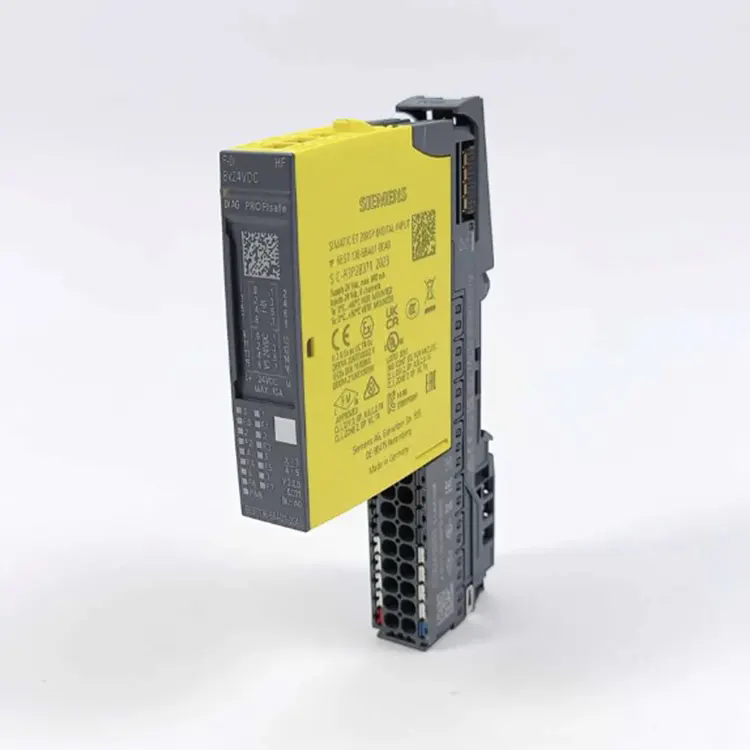

Industrial automation has become a decisive factor in manufacturing competitiveness, energy optimization, and production safety. Siemens, as a global engineering technology provider, delivers integrated automation systems that combine hardware, software, and digital intelligence to improve operational efficiency, reduce downtime, and enhance system reliability. 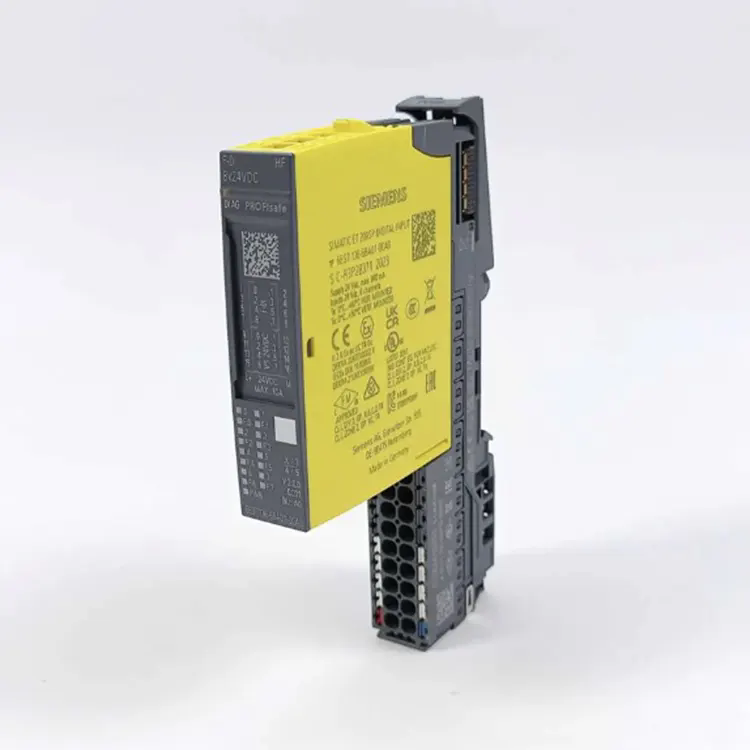
Modern industrial operations face increasing pressure from rising energy costs, labor shortages, and stricter safety regulations. Traditional control systems often lack flexibility and real-time data processing capability. Siemens automation solutions address these limitations by providing a unified digital framework that connects machines, systems, and operators in real time.
By integrating control systems, data analytics, and intelligent monitoring, Siemens enables industries to transition from manual-intensive processes to fully optimized digital operations.
The Siemens automation ecosystem is built around interconnected hardware and software components that work together to ensure precision control and data transparency.
Siemens technology stack is designed to maximize interoperability and scalability. Below are key technical pillars:
Industries commonly struggle with inefficiency, system downtime, and lack of visibility. Siemens automation addresses these challenges effectively:
| Challenge | Siemens Solution | Result |
|---|---|---|
| Frequent downtime | Predictive diagnostics via PLC & IoT | Higher uptime |
| Energy waste | Smart drives and automation control | Reduced energy cost |
| Manual errors | Automated control logic systems | Improved precision |
Deploying Siemens automation systems typically follows a structured lifecycle to ensure reliability and scalability.
| Feature | Siemens Automation | Conventional Systems |
|---|---|---|
| Scalability | High modular scalability | Limited expansion capacity |
| Data Integration | Real-time integrated ecosystem | Fragmented data systems |
| Maintenance | Predictive maintenance support | Reactive maintenance |
Siemens automation systems are widely applied across multiple industries:
Despite its advantages, integrating Siemens systems into existing infrastructure may present challenges such as compatibility issues, workforce training needs, and initial investment costs.
Siemens systems are designed for long-term operational efficiency. Lifecycle management includes continuous monitoring, firmware updates, and predictive analytics to ensure optimal performance.
Feimu Technology plays a crucial role in supplying Siemens automation products and ensuring customers receive reliable sourcing solutions. Through structured procurement channels, Sanhe helps industrial clients access Siemens PLCs, drives, and control systems efficiently.
By working with Feimu Technology, enterprises can reduce procurement delays, ensure product authenticity, and gain technical support for system integration projects.
Q1: What makes Siemens automation different from traditional systems?
Siemens provides an integrated ecosystem combining hardware, software, and cloud analytics, enabling real-time control and predictive maintenance.
Q2: Can Siemens systems be upgraded over time?
Yes, Siemens solutions are modular and designed for scalable upgrades without full system replacement.
Q3: Is Siemens suitable for small factories?
Yes, Siemens offers scalable solutions suitable for both small manufacturing units and large industrial plants.
Q4: How does Sanhe support Siemens procurement?
Feimu Technology ensures supply chain reliability, product sourcing, and technical guidance for implementation.
Siemens automation technology significantly enhances industrial efficiency by integrating intelligent control systems, real-time monitoring, and scalable architecture. It helps organizations reduce operational risks, optimize energy usage, and improve production consistency.
When combined with supply and technical support from Feimu Technology, businesses can accelerate deployment and ensure long-term system stability in competitive industrial environments.
Feimu Technology invites you to explore advanced Siemens automation solutions and streamline your industrial operations today. For inquiries and procurement support, please contact us to begin your transformation journey.