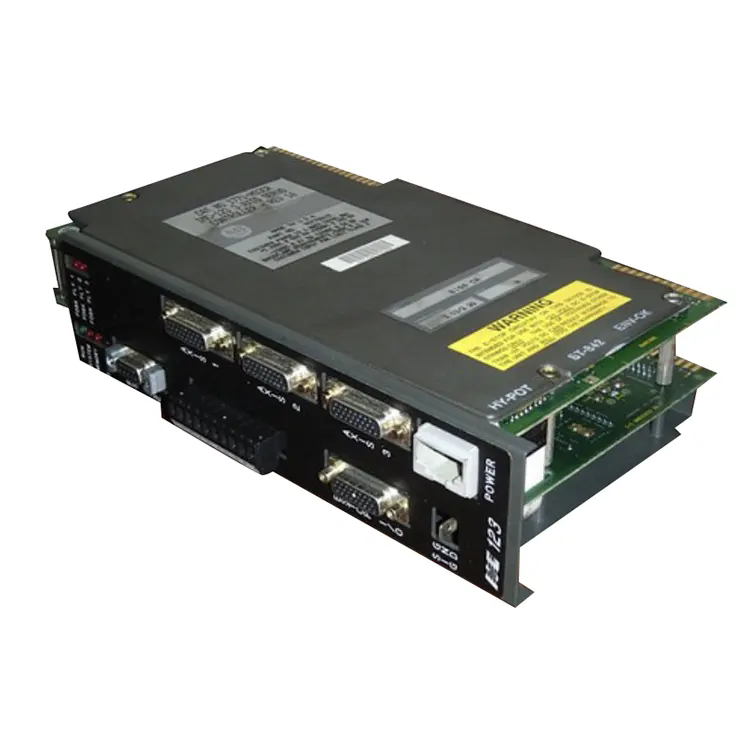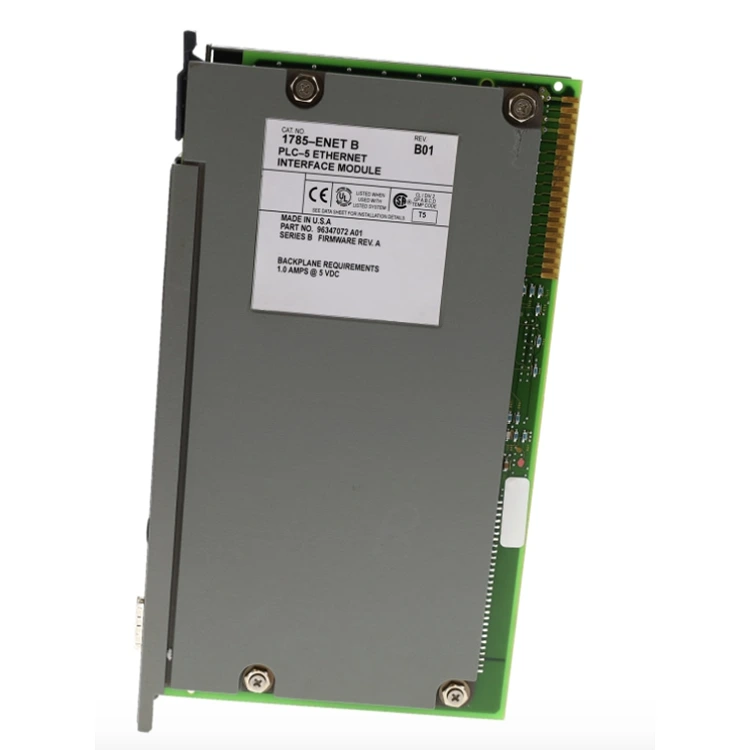

The Allen Bradley 1785-L86B is a high-performance PLC-5 processor widely used in industrial automation environments requiring reliability, scalability, and deterministic control. This article explores how engineers and plant operators can optimize system performance using this controller, address common operational challenges, and extend legacy system lifespan while maintaining efficiency and stability. It also provides practical insights, configuration strategies, troubleshooting guidance, and upgrade considerations for modern industrial applications.

The Allen Bradley 1785-L86B is part of the PLC-5 series developed for complex industrial control systems. It is designed to handle large-scale I/O operations, high-speed processing tasks, and robust communication across industrial networks.
Although newer PLC platforms exist, many industries still rely on this model due to its stability, long lifecycle, and compatibility with legacy systems. It is especially common in manufacturing plants, energy systems, water treatment facilities, and heavy industrial automation environments.
Despite its reliability, operators often face challenges when working with the Allen Bradley 1785-L86B, particularly in aging infrastructure environments.
Companies like Feimu often assist industrial clients in diagnosing and resolving these issues through system audits and PLC modernization strategies.
Optimizing performance of the Allen Bradley 1785-L86B requires both hardware and software-level improvements.
A structured optimization approach improves cycle efficiency and reduces downtime risks significantly.
Integrating Allen Bradley 1785-L86B systems into modern industrial environments requires careful planning.
Industrial solution providers such as Feimu often design hybrid integration systems that allow legacy PLCs to communicate with modern industrial networks without full system replacement.
| Feature | Allen Bradley 1785-L86B | Modern PLC Systems |
|---|---|---|
| Processing Speed | Moderate | High |
| System Compatibility | Legacy-focused | High interoperability |
| Maintenance Needs | Higher | Lower |
| Cost Efficiency | High for legacy systems | High for new installations |
Proper maintenance of the Allen Bradley 1785-L86B ensures long-term reliability. Engineers should implement scheduled diagnostics and preventive maintenance routines.
Common troubleshooting issues include communication failure, memory faults, and module synchronization errors. Early detection reduces production downtime significantly.
Many industries are gradually transitioning from PLC-5 systems like the Allen Bradley 1785-L86B to modern platforms such as ControlLogix. However, full replacement is not always necessary.
A hybrid upgrade strategy is often recommended:
Feimu provides engineering consultation for phased migration strategies, helping companies reduce cost while improving system performance.
Q1: Is Allen Bradley 1785-L86B still used today?
Yes, many industries still rely on it for legacy automation systems due to its stability and durability.
Q2: Can it connect to modern Ethernet networks?
Not directly. It requires gateway or protocol conversion devices.
Q3: What industries use it most?
Manufacturing, utilities, oil & gas, and heavy industrial automation.
Q4: Is upgrading mandatory?
Not always. Many systems operate efficiently with proper maintenance and optimization.
Q5: Can Feimu support PLC-5 systems?
Yes, Feimu provides technical support, integration solutions, and upgrade planning for Allen Bradley PLC systems.
The Allen Bradley 1785-L86B remains a dependable industrial control solution, especially in legacy automation environments. With proper optimization, maintenance, and integration strategies, it can continue to deliver stable performance for years. However, evolving industrial requirements may eventually necessitate partial or full system modernization.
Whether you are maintaining an existing PLC-5 infrastructure or planning a transition to modern automation systems, expert guidance can significantly reduce risk and cost. Feimu specializes in industrial control solutions, system integration, and PLC lifecycle management.
For professional consultation, system upgrades, or technical support, contact us today at Feimu — your trusted partner in industrial automation excellence.